- TFS Podcast
- Support This Site

Valuable answers for valid questions about world religions, cults, worldviews and the Christian church
This site contains over 130 pages of free content in articles, videos and audio – it might be faster to use our search function to find what you are looking for
Shintoism or “Shinto” is the official religion of Japan which is called the “House of the Rising Sun” after the Shinto goddess named Aharatsu. Shinto is a Chinese word which means “the way of the higher spirits or gods” which demonstrates the early Chinese roots of this religion.
In addition to Confucianism and Buddhist influence, Shintoism was also impacted by Roman Catholicism. Jesuit missionaries were sent to Japan and gained tens of thousands of converts. This created opposition to the Jesuit missionaries forcing them to flee or be killed. Many Catholic ideas were thereafter adopted by the Shintoists.
There is no single founder of Shinto as it dates back to Yayoi culture which originated in the northern area of the island of Kyushu about the 3rd or 2nd century BC. Among these early indigenous Yayoi was the practice of agricultural rites and shamanism, similar to many ancient cultures in this part of the world (c.f. early Hindu shamanism from the Caucas Mountains) but by the 3rd or 4th century, the earliest forms of Shintoism began to emerge by way of the religions of Mongolian, Korean and Malayan people.
There are a great number of Shinto Sects which can be roughly classified into three major types: Shrine Shintō, Sect Shintō, and Folk Shintō. They reverence two key ancient writings:
Shinto involves a reverance for the traditions, people and culture of Japan – love of the country as a whole. Japan alone is considered a special creation of the gods “Kami” and therefore superior to all others.
Believes in the mysterious creating and harmonizing power (musubi) of kami and in the truthful way or will (makoto) of kami. The nature of kami cannot be fully explained in words, because kami transcends the cognitive faculty of humans. Devoted followers, however, are able to understand kami through faith and usually recognize various kami in polytheistic form.
The main temple of Shinto is dedicated to the worship of Aharatsu called Ise-Jingu in Ise – 200 miles from Tokyo. Shinto adherents may visit a shrine at their convenience. Some visit twice a month and other every day. There are grand festivals which involve the following order of rituals:
There are over 100,000 “jinja” which are “god houses” scattered all over Japan. It has been said by ex Shintoists that there are more shrines in Japan than convenience stores.
Most homes have their own places of worship in them – wood and paper tablets there with gods spirits or relatives that they revere and pray to. Called a “god shelf”. Also good luck charms and things of family history. They will conduct prayers and worship to these gods and ancestors relics on this shelf.
Some Shinto have bizarre teachings that Jesus came to Japan in his early life and learned theology from Shinto teachers for 11 years. They claim that He wasn’t crucified but escaped and His younger brother was crucified in His place where Jesus escaped and then made His way back to Japan – His spiritual home where He died at age 106. The Shinto teachings also posit the claim that the grave of Jesus was found in Shingo in 1935 but they didn’t bother to publicize such an important event until 1962 for some reason. They also claim to have found the actual 10 commandments of Moses and also that Genghis Khan was Japanese – this would not be pleasing to the Mongolians I imagine.
In actuality, the Shingo grave most likely belongs to one of the early Catholic Jesuit martyrs killed for his faith and the legend around the grave grew into a belief that this was somehow Jesus Himself. The word of God and history itself clearly teaches that Jesus was crucified under the watchful eye and efficient executioners of the Roman army, then He was raised from the dead after 3 days and nights in the tomb and appeared to as many as 500 witnesses at one time. I’ve recorded a podcast about this which you can access here: The Irrefutable Resurrection of Jesus.
Japan has 80,000+ shrines and a multitude of New Age religions all around – some revere Jesus as either one of many gods or a as the “#1 spirit” but none recognize Him as He truly is – God Almighty through Whom, for Whom and by Whom all things were created:
"He (God the Father) has delivered us from the power of darkness and conveyed us into the kingdom of the Son of His love (Jesus the Son), in whom we have redemption through His blood, the forgiveness of sins. He (Jesus the Son) is the image of the invisible God, the firstborn over all creation. For by Him all things were created that are in heaven and that are on earth, visible and invisible, whether thrones or dominions or principalities or powers. All things were created through Him and for Him. And He is before all things, and in Him all things consist. "
Colossians 1:13-17 Tweet
Upon the defeat of the Japanese in 1945, the emperor of Japan was forced to broadcast to his people that he was merely a man and not a god. It was probably from this point that agnosticism began to take hold in Japan – which is the primary philosophy of religion in Japan today (only 25% or less of Japanese profess to be religious at all)
Adherents of Shinto, according to God’s word the Bible, are fallen and lost and have only the dread of eternal damnation from the Living God as they are rejecting Him, their Maker, in light of a false belief in dead relatives who cannot, nor will not save them in the day of judgement which looms large over the head of the Shinto man or woman facing death. They must repent, cry out to Jesus of the Bible and put their faith in in Him alone for the forgiveness of their sins and God’s word, the Bible, declares that if they do this, they WILL be saved.
"But what does it (The word of God) say? “The word is near you, in your mouth and in your heart” (that is, the word of faith which we preach): that if you confess with your mouth the Lord Jesus and believe in your heart that God has raised Him from the dead, you will be saved. For with the heart one believes unto righteousness, and with the mouth confession is made unto salvation. For the Scripture says, “Whoever believes on Him will not be put to shame.” For there is no distinction between Jew and Greek, for the same Lord over all is rich to all who call upon Him. For “whoever calls on the name of the Lord shall be saved.”
Romans 10:8-13 Tweet
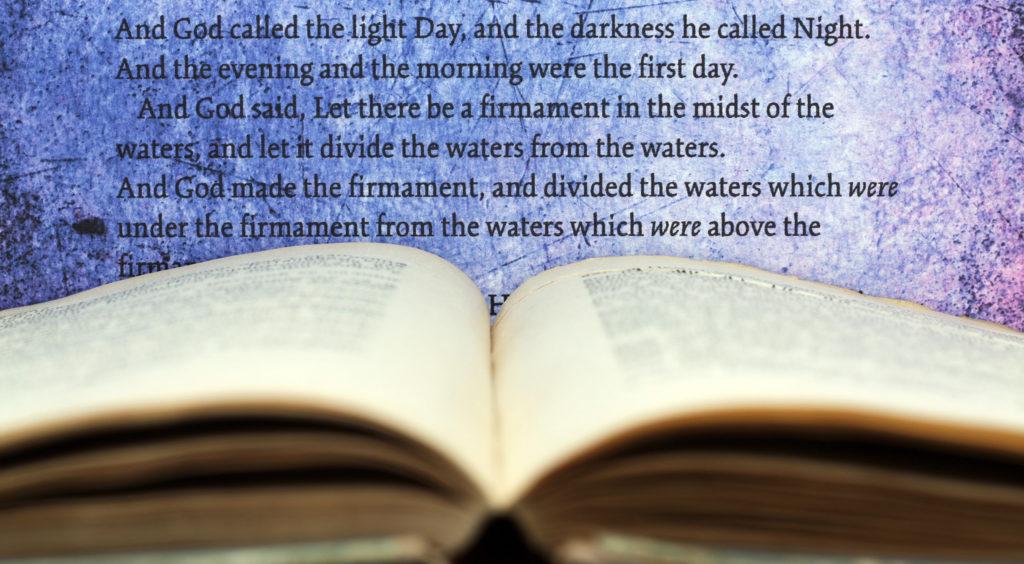
There is in truth only one God who created the heavens and the earth.
Bible reveals that God is no respector of persons He created all mankind equal.
The truth of God the Creator declares instead that ALL mankind, including the Japanese, are sinners against Him and are the objects of His wrath which will be carried out as a just punishment when ALL mankind die, including the Japanese.
God sent Jesus His ONLY divine Son to pay this death penalty for ALL men, including the Japanese, that if they repent of their sin against the One and Only True Creator God of all mankind and put their faith in His only begotten Son whom He raised from the dead, ALL Japanese men and women can have everlasting life and are no longer children of wrath but then become children of God, blessed for all eternity. To learn more about this message of eternal life.

Shinto has a multitude of gods.
Shinto at its core holds that Japanese are superior to all men similar to how the ancient Jews thought of themselves – which Jesus confronted and rebuked them for – one of the many reasons that motivated Jewish leaders to seek His death.
Shinto believes that the Japanese are of divine origin with no need of repentance nor forgiveness of sin against the gods they believe created them.
There is no eternal in the Shinto faith only the hope to be honored by one’s relatives after the Shinto practitioner has inevitably died
There is hope for the practitioner of Shinto if they turn from Shinto and to the cross of Christ and His forgiveness for all eternity.
Click the button below “How to Know you Have Eternal Life”.
No one receives eternal life and eternal presence with God (from Whom all good things come – James 1:17), by belonging to the right church, denomination, world religion, or by having a particular world view. Rather only those who trust in the Lord Jesus (preached by the Apostles in the Bible) for their own sin. We will not trust in a Savior for sins that we either don’t believe we have or that we think aren’t deserving of hell.
But the Bible says that ALL have sin and the wages of that sin is eternal separation from God (death). The good news is that the Bible says that you can know that YOU have eternal life. Click the button below to see if you are genuinely saved from your sins according to the Bible: