- TFS Podcast
- Support This Site

Valuable answers for valid questions about world religions, cults, worldviews and the Christian church
This site contains over 130 pages of free content in articles, videos and audio – it might be faster to use our search function to find what you are looking for
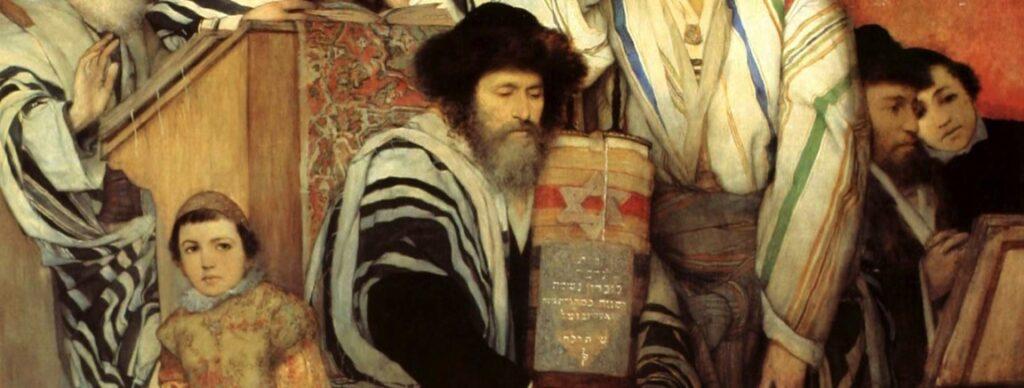
Founder of the Hebraic bloodline appx 2000 B.C. – Great grandfather of the 12 tribes of Judaism. (also considered by Christians to be the “Father of Faith”)
Noah’s son Shem settled in a region that became known as “Ur” in the Chaldean Kingdom (modern day Iraq). Shem’s descendants became known as “Shemites” of which there was a man named Abram who was distinct in that he did not adhere to the polytheism of the popular culture and instead maintained a simple faith in the God of heaven and earth – Creator of all things.
The term “Shemite” has been carried down to our modern day reference of “Semite” or Semitic – this usually refers to those of a Jewish nationality but can also be used to reference Arabs and others of this specific geographic region
Abraham, referred to as the “Father of Faith” in the Bible, was greatly multiplied and his sons greatly multiplied all of which adhered to a “Hebrew” faith of monotheistic faith in One God and no other (revolutionary for the time).
Abraham’s grandson Jacob had 12 sons which each were to be multiplied into their own tribe forming a common bond of Hebraic people.
This people was multiplied as ‘outsiders’ in the land of Egypt and were enslaved for 400 years until God Almighty delivered them through a man named “Moses”.
Founder of the Biblical Jewish faith 1455 B.C. – (not the founder of Rabbinical Judaism which would come along in the 2nd century A.D.)
The Law, The Prophets, and The Writings

“The Law” written by Moses (possibly finished by Joshua and later edited by Ezra the great Biblical author and scribe of post-exilic Judaism). Comprises the first 5 books of the Old Testament Canon: Genesis, Exodus, Leviticus, Numbers and Deuteronomy. The most famous passage of the Torah might be the decalogue or “10 Commandments” which can be summed up in the following:
Not considered on the same level of authority as “scripture” by the Jewish sects but still a VERY highly regarded Jewish library of oral law and tradition established by influential Rabbis over the centuries. The Talmud consists of the:
(Oral law in general to be distinguished from scripture) Jewish practice, customs and traditions.
Rabbinic commentary on the Mishnah. One key section of the Gemara Sanhedrin 10:1 was written by Rabbi Moses ben Maimon (Maimonides or Rambam) called the 13 Articles of Faith which are considered foundational to Orthodox Jewish belief.
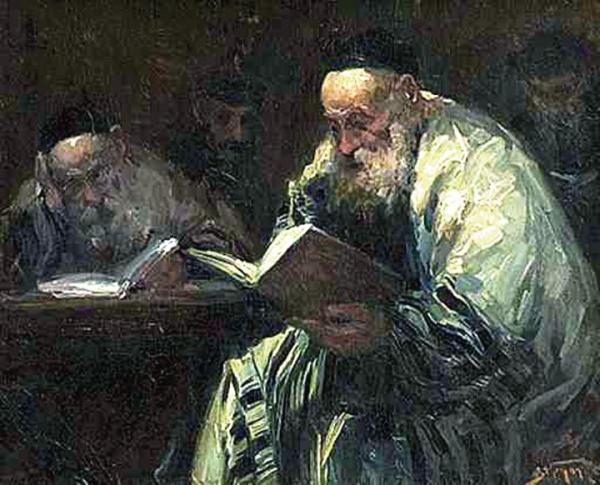

Midrash: like the Talmud in terms of a lesser authority than the Scriptures, the Midrash is a commentary on the Torah and the rest of the Jewish scriptures by Rabbis over the last several centuries and it is from this modern adherence to the Talmud and Midrash that the term “Rabbinical Judaism” is derived.
Hellenistic Judaism reflected by temple worship and sacrifice gave way to Diaspora Rabbinic Judaism which bases most of its emphasis on the teachings and commentaries of Rabbis.
Jewish people observe a holy day of rest in commemoration of God’s completed work of creation and later liberation of the Israelites from Egypt. It is observed from dusk to dusk starting Friday evening and ending Saturday evening each week.
The small “meeting places” for Jewish people where prayers, teaching, worship (singing of songs), and “breaking of bread” occur – traces back to the Maccabean time (2nd century B.C.) and continues up to this day. Can sometimes be referred to as “Temple”.
Hellenistic Judaism reflected by temple worship and sacrifice gave way to Diaspora Rabbinic Judaism which bases most of its emphasis on the teachings and commentaries of Rabbis.
2. Hassidic – Hassidic Jews are a subsect of Orthodox Jews and were founded by Rabbi Yisroel ben Eliezer, known as the Baal Shem Tov (“master of the good name,”). The movement began in the 18th century, in Eastern Europe and places a greater emphasis on the spiritual as opposed to the intellectual. traditional Orthodoxy, in which greater emphasis is placed on the intellectual.
Reformed Jews are a very liberal sect of Judaism that all but denies any supernatural whatsoever. (c.f. liberal denominations of Christianity)
They tend to focus on race and culture issues of Judaism, neglecting or avoiding Jewish religious issues.
Also started as a result of the “enlightenment” period and supposed necessity to meet the needs of those that reject Divine revelation.
See a final analysis of the Jewish view of the afterlife below…
According to Jewish teachings, the good people of all faiths and walks of life go to a “heaven” of sorts referred to as Gan Eden, or the Garden of Eden and the wicked go to hell or “Geihinnom”(Gehinnom; Shab. 152b–153a; Tanh. Va-Yikra 8). Again, what standard is used to determine “good” is not really expounded upon.
Atonement is achieved by works of righteousness, repentance, prayer, and good deeds. There is no need of a Savior. Orthodox and some Conservative Jews believe in a coming Messiah, and of Israel having a homeland, and the ushering in of a world to come.
The way to determine one’s ‘righteousness’ is unclear, possibly based on devotion to family, good works, temple/synagogue etc. There is no
definite gauge by which one can recognize if their righteousness is
enough to warrant the ‘bosom of Abraham’ when they die.
If I am Jewish:
No one receives eternal life and eternal presence with God (from Whom all good things come – James 1:17), by belonging to the right church, denomination, world religion, or by having a particular world view. Rather only those who trust in the Lord Jesus (preached by the Apostles in the Bible) for their own sin.
We will not trust in a Savior for sins that we either don’t believe we have or that we think aren’t deserving of hell. But the Bible says that ALL have sin and the wages of that sin is eternal separation from God (death). The good news is that the Bible says that you can know that YOU have eternal life. Click the button below to see if you are genuinely saved from your sins according to the Bible: